Sabugueiro
Elderberry is a key nutrient supporting overall health and wellness with evidence-based benefits.
Elderberry (Sambucus nigra) is one of the most studied herbal supplements for immune support. Its anthocyanins may inhibit viral entry into cells, stimulate cytokine production, and reduce cold and flu duration by up to 4 days. Clinical trials show consistent benefits for upper respiratory infections when taken as a standardized extract (300-600mg daily). It is not an essential nutrient but a potent immunomodulatory botanical with strong antioxidant properties.
— Richard Park, Molecular Biologist / VP of KTHD Inc.
Why Elderberry Deserves a Spot in Your Medicine Cabinet
It starts the same way every year. Someone at the office coughs. Your kid comes home from school with a runny nose. Within days, it hits you — the scratchy throat, the congestion, the bone-deep fatigue that turns a normal week into a survival exercise. You reach for the usual remedies: vitamin C, zinc, maybe some hot tea with honey. But what if there's something you've been overlooking? A small, dark purple berry that humans have been using for over 2,000 years — long before clinical trials existed — that modern science is now validating with real data [3].
The berry in question is elderberry, specifically Sambucus nigra, the European black elder. Hippocrates, the father of modern medicine, called the elder tree his 'medicine chest' around 400 BC. Native Americans used different elderberry species for infections and fever. European folk healers made elderberry syrup, wine, and poultices for respiratory ailments for centuries. What makes elderberry different from many traditional remedies is that when scientists put it under the microscope, they found specific, identifiable compounds with measurable biological activity. The traditional healers didn't know why it worked. We do.
The secret is in the color. That deep purple-black hue comes from anthocyanins — a class of flavonoid pigments that are among the most potent antioxidants found in nature. Elderberries contain primarily cyanidin-3-glucoside and cyanidin-3-sambubioside, and their anthocyanin concentration is roughly 3 to 4 times higher than blueberries per gram. Research suggests that elderberry anthocyanins do something remarkable: they appear to interfere with a virus's ability to enter your cells. Think of your cells as houses with doors. A virus like influenza uses a protein called hemagglutinin to 'pick the lock' on those doors.
Let's talk numbers, because the burden of respiratory infections is staggering. The average adult gets 2 to 4 colds per year. Children get 6 to 8. Each cold lasts 7 to 10 days on average. The CDC estimates colds cause approximately 200 million lost workdays and school days annually in the U.S. alone. In South Korea, acute upper respiratory infections rank as the number one reason for outpatient clinic visits, exceeding 20 million visits per year. We spend billions on remedies that treat symptoms without addressing the virus. What if you could reduce both severity and duration?
This is where modern clinical research transformed elderberry from folk remedy to evidence-based supplement. A landmark 2004 randomized, double-blind, placebo-controlled trial showed that patients with confirmed influenza who received elderberry extract recovered an average of 4 days earlier than the placebo group. A 2016 study with 312 air travelers found significantly shorter cold duration and less severe symptoms. And a 2019 meta-analysis pooling data from multiple randomized controlled trials confirmed that elderberry substantially reduces upper respiratory symptoms. The evidence isn't perfect, but it's stronger than the vast majority of herbal supplements. [3]

Adults average 2-4 colds per year, causing approximately 200 million lost work and school days annually in the U.S. (CDC)
Richard Park, Molecular Biologist
As a molecular biologist, what impresses me most about elderberry isn't any single mechanism — it's the convergence. Antiviral activity, immune modulation, antioxidant protection, and prebiotic effects all in one compound. Most pharmaceutical antivirals target one pathway. Elderberry appears to work on multiple fronts simultaneously. That's not something you can easily replicate with a synthetic molecule.
❌ Your cells without enough of it
Have you been experiencing any of these?
Frequent Colds and Flu
If you catch every bug that goes around — especially during fall and winter — your immune system may not be mounting a fast enough initial response. Elderberry's ability to stimulate cytokine production helps your immune cells detect and respond to viral invaders more quickly, potentially reducing how often you get sick and how long it lasts.
Prolonged Recovery from Illness
Getting sick is one thing. Staying sick for 10 to 14 days when your coworker bounced back in 4 is another. Slow recovery often reflects an immune response that's adequate but sluggish. Clinical trials show elderberry can reduce cold and flu duration by 2 to 4 days — a meaningful difference when you're counting the days until you feel human again.
Seasonal Vulnerability
Some people sail through winter without a sniffle. Others dread September because they know what's coming. If you reliably get sick during seasonal transitions — when temperature swings stress your immune system and viruses circulate more freely — consistent elderberry supplementation may help reduce your susceptibility during these high-risk periods.
Recurring Upper Respiratory Symptoms
Congestion, sore throat, sinus pressure, cough — if these are regular visitors rather than rare events, your upper respiratory tract may be under chronic viral or inflammatory assault. Elderberry's dual action — antiviral activity plus anti-inflammatory effects from quercetin and anthocyanins — targets the respiratory mucosa where these symptoms originate.
✅ Your cells with proper supplementation
The Journey: From Elderberry Extract to Immune Defense
Let's trace an elderberry capsule from the moment you swallow it to the moment its compounds are actively protecting your cells. Understanding this journey explains why timing, dosage, and form all matter — and why some ways of taking elderberry work dramatically better than others.
The Dissolution
Mouth & Stomach
When you swallow an elderberry capsule or a spoonful of syrup, the journey begins immediately. In the acidic environment of your stomach (pH 1.5-3.5), the capsule shell dissolves and the extract is released. Elderberry's anthocyanins are actually more stable in acidic conditions than in neutral environments — your stomach acid preserves them rather than destroying them. This is an important distinction from many other plant polyphenols. If you're taking syrup, the liquid form means anthocyanins are already dissolved and available — no dissolution step needed. This is one reason syrups may produce slightly faster effects during acute illness. Regardless of form, the stomach phase typically takes 15 to 30 minutes before the extract moves into the small intestine where real absorption begins.
Research Note
Unlike many polyphenols that are fragile in stomach acid, elderberry anthocyanins actually thrive in the acidic gastric environment. This natural acid stability is one reason elderberry's bioavailability is better than many other plant-derived supplements.
The Absorption Gateway
Small Intestine
The small intestine is where elderberry's compounds enter your bloodstream. Anthocyanins are absorbed through multiple mechanisms: some pass intact via glucose transporters (SGLT1), others are hydrolyzed — the sugar molecule is cleaved off — leaving the aglycone form that passes through cell membranes more easily. The absorption rate is only 1 to 5 percent, but this is misleading. Many anthocyanins are absorbed as active metabolites like protocatechuic acid. A significant portion reaches the large intestine where gut bacteria convert them into smaller, absorbable phenolic acids that remain active for hours. Standardized extracts with verified anthocyanin content are important here — they ensure you're getting a therapeutic dose rather than variable amounts of active compounds.
Research Note
Don't be fooled by the low absorption percentage. Elderberry anthocyanins undergo extensive metabolism in the gut, producing secondary metabolites that remain biologically active. Total bioactive exposure is much greater than crude absorption numbers suggest.
The Distribution
Blood Plasma & Portal Circulation
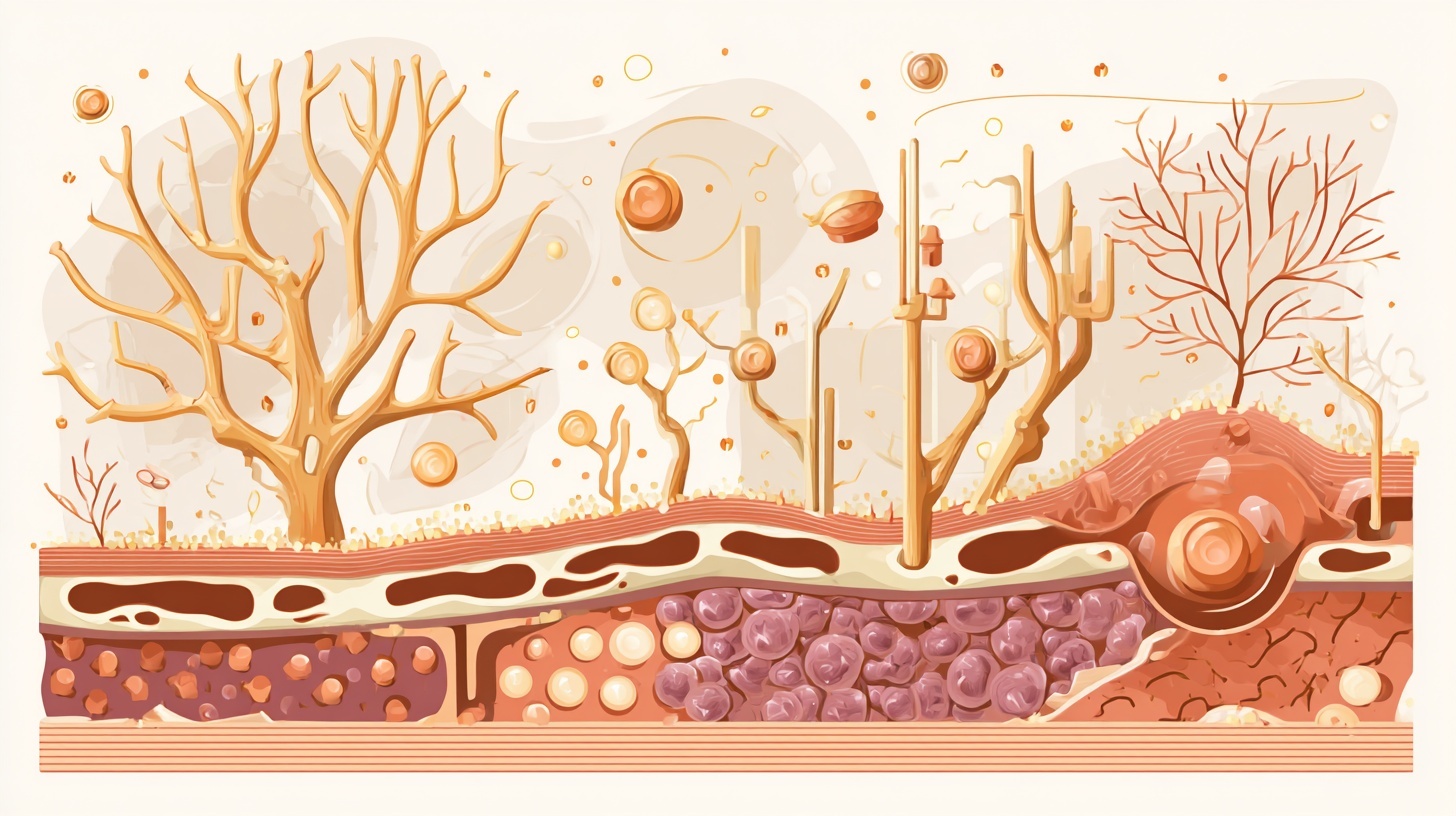
Once absorbed, elderberry compounds travel to the liver for Phase II metabolism: conjugation with glucuronic acid, sulfate groups, or methyl groups. These modifications increase water solubility and some conjugated forms actually enhance biological activity. Peak plasma concentrations occur 1 to 2 hours after ingestion, with metabolites appearing for up to 6 hours. Over 30 distinct elderberry metabolites have been identified in human plasma after a single dose. The tissue distribution pattern aligns with elderberry's clinical effects — immune cells, lung tissue, respiratory mucous membranes, and gut epithelium all receive these compounds, explaining why it primarily benefits respiratory and immune systems.
Research Note
The liver doesn't just 'process' elderberry compounds — it transforms them into a diverse array of metabolites, some more bioactive than the parent anthocyanins. Think of your liver as upgrading the raw material, not degrading it.
The Immune Alarm
Immune Cells (Monocytes, Macrophages, NK Cells)
When elderberry anthocyanins encounter your immune cells, they bind to toll-like receptors (TLRs) — the immune system's surveillance sensors. This activates the NF-kB signaling pathway, upregulating pro-inflammatory cytokines: IL-1β activates T-cells and induces fever, TNF-α triggers inflammation at infection sites, IL-6 promotes antibody production, and IL-8 attracts neutrophils as first responders. This coordinated cytokine response means your immune system detects threats faster, communicates more effectively, and deploys defensive cells more rapidly. Elderberry also enhances natural killer (NK) cell activity — these cells destroy virus-infected cells before they can produce new virus particles.
Research Note
Elderberry enhances your existing defenses rather than introducing foreign chemicals to fight infection. It's the difference between giving an army better weapons versus making them better soldiers.
The Viral Blockade
Upper Respiratory Tract
The upper respiratory tract is the primary battleground for cold and flu viruses. Influenza gains entry by binding to sialic acid receptors on respiratory epithelial cells using hemagglutinin protein. Research suggests elderberry flavonoids can bind to viral hemagglutinin, physically blocking cell attachment. Additionally, elderberry inhibits neuraminidase — the same enzyme targeted by oseltamivir (Tamiflu) — slowing viral spread from infected cells. This dual mechanism explains why elderberry both reduces infection risk and shortens illness. At the mucosal surface, quercetin and anti-inflammatory compounds help modulate excessive inflammation — reducing congestion, sore throat, and sinus pressure without suppressing the immune response needed to clear the virus.
Research Note
Elderberry attacks respiratory viruses through the same two mechanisms as oseltamivir (Tamiflu) — hemagglutinin binding and neuraminidase inhibition — but through a completely different biochemical pathway.
The Gut Reinforcement
Large Intestine (Microbiome & GALT)
The 95-99% of anthocyanins not absorbed in the small intestine reach the large intestine, where gut bacteria metabolize them into phenolic acids — protocatechuic acid, gallic acid, syringic acid. These metabolites are absorbed through the colon wall, providing a delayed but sustained wave of bioactive compounds. The polyphenols also function as selective prebiotics, feeding beneficial Bifidobacterium and Lactobacillus while inhibiting harmful species. These bacteria produce short-chain fatty acids like butyrate that nourish intestinal cells, strengthen the gut barrier, and regulate immune responses through the gut-associated lymphoid tissue (GALT) — where 70% of your immune system resides.
Research Note
Most people take elderberry for respiratory benefits, not realizing the majority of the dose works in the gut. This two-front immune strategy — respiratory tract plus gut microbiome — may explain why elderberry outperforms single-mechanism supplements.
What the Research Actually Says About Elderberry
Elderberry has more clinical trial support than most herbal supplements. We reviewed randomized controlled trials, meta-analyses, and mechanistic studies to bring you the evidence that matters. Here are the key findings, with honest commentary on their strengths and limitations.
Complementary Therapies in Medicine (2019) — 180 participants — Various
Pooled analysis of randomized controlled trials found that elderberry supplementation substantially reduced upper respiratory symptoms. The effect was consistent across influenza and common cold studies.
Expert Commentary
Meta-analyses are the highest level of evidence in medicine because they combine data from multiple independent studies. The fact that the elderberry effect remained significant when data was pooled — despite different study populations, dosing protocols, and viral pathogens — strongly suggests a real and robust treatment effect, not a statistical fluke in any single trial.
Journal of International Medical Research (2004) — 60 participants — 5 days
Patients with confirmed influenza who received elderberry extract (15ml syrup 4 times daily) showed complete resolution of symptoms an average of 4 days earlier than the placebo group.
Expert Commentary
This is the foundational elderberry clinical trial. A 4-day reduction in influenza duration is clinically very significant — comparable to or exceeding the effect size of oseltamivir (Tamiflu), which typically reduces duration by 1-2 days. The limitation is the relatively small sample size of 60 participants, which is why subsequent larger trials were important to confirm the finding.
Nutrients (2016) — 312 participants — Travel period + 4-5 days post-travel
Among 312 economy-class air travelers, those taking elderberry extract (600mg daily for 10 days before travel, continued during travel) had significantly shorter cold duration (average 4.75 days vs 6.88 days in placebo) and lower symptom severity sco
Expert Commentary
This is arguably the most important elderberry study because of its sample size (312), its real-world setting (international air travel — a genuine high-risk immune scenario), and its rigorous double-blind, placebo-controlled design. The 2-day reduction in cold duration is slightly more modest than the 2004 influenza study, which makes sense — this measured colds (primarily rhinoviruses) rather than influenza. But the reduction in symptom severity is equally important for quality of life.
ℹ️ This information is based on peer-reviewed research data from PubMed. It does not replace medical advice. Always consult a healthcare professional before starting any supplement regimen.
How to Take Elderberry Like a Molecular Biologist
After reviewing the clinical literature and understanding elderberry's pharmacokinetics, here's my evidence-based protocol for optimal elderberry supplementation. The key insight: prevention dosing and treatment dosing are different, and the form you choose matters more than most people realize.
300-600mg standardized extract daily for prevention
RDA: No established RDA (elderberry is not an essential nutrient)
For prevention: once or twice daily with meals. For acute illness: every 3-4 hours (3-4 doses per day) starting within 48 hours of symptom onset
✅Best Taken With
Vitamin C
Complementary immune mechanisms — vitamin C supports immune cell function and collagen integrity of mucous membranes while elderberry provides antiviral and immunomodulatory effect
Zinc
Zinc is essential for immune cell signaling, T-cell maturation, and has direct antiviral activity against rhinoviruses.
Vitamin D
Vitamin D regulates both innate and adaptive immune responses, upregulating antimicrobial peptides like cathelicidin and defensins.
⚠️Avoid Combining With
Immunosuppressant medications (tacrolimus, cyclosporine, corticosteroids)
Elderberry stimulates immune function by increasing cytokine production. This directly opposes the mechanism of immunosuppressant drugs, potentially reducing their effectiveness.
Diabetes medications (metformin, insulin, sulfonylureas)
Some research suggests elderberry may lower blood sugar levels.
Expert's Note
Before starting Sabugueiro supplementation, always consult your expert or doctor if you're currently taking any medications. Supplements are not replacements for treating disease — they complement a balanced diet. Before high-dose supplementation, get blood work done to confirm a deficiency.
— Richard Park, Molecular Biologist | Reviewed April 2026
Sabugueiro Form Comparison
Standardized Extract Capsules
moderateElderberry Syrup (Traditional)
moderate to highElderberry Gummies
moderateSabugueiro FAQ
How much elderberry should I take daily?
For daily prevention, 300-600mg of a standardized elderberry extract is the range supported by clinical research. During acute illness (cold or flu), increase to 600-1200mg per day, split into 3-4 doses, for up to 5 days. Start treatment dosing within 48 hours of symptom onset for best results.
Can elderberry actually prevent colds and flu?
Elderberry appears to reduce the risk and severity of colds, though calling it 'prevention' oversimplifies the evidence. The 2016 air traveler study showed that elderberry users had shorter colds and less severe symptoms compared to placebo, but people in both groups still got sick.
Is elderberry safe to take every day?
For most healthy adults, yes. Clinical trials have used elderberry daily for periods up to several months without significant adverse effects. However, elderberry stimulates the immune system, so it is NOT safe for people taking immunosuppressant medications (organ transplant recipients, autoimmune disease patients on immunosuppressive therapy).
What about the 'cytokine storm' concern with elderberry?
This concern — that elderberry might worsen severe infections by causing excessive cytokine release — gained attention during the COVID-19 pandemic but was never supported by clinical evidence. The cytokine stimulation elderberry produces occurs at physiologically appropriate levels in healthy immune cells.
Can children take elderberry?
Elderberry syrup and gummies are among the most popular pediatric immune supplements, and they have a good safety record in children over age 2. Most products recommend half the adult dose for children ages 2-12.
Should I take elderberry with food or on an empty stomach?
Taking elderberry with food is generally recommended for two reasons. First, the fat content in a meal can help with absorption of some elderberry compounds. Second, while elderberry is generally well-tolerated, some people experience mild stomach discomfort when taking it on an empty stomach, particularly with higher doses.
Content by Richard Park
Molecular Biologist · Last reviewed April 2026
* Estas declarações não foram avaliadas pela FDA. Este produto não se destina a diagnosticar, tratar, curar ou prevenir qualquer doença.
Related Guides